
Overview
The Prothrombin Gene Mutation is a change in the gene that controls a blood clotting protein that circulates in the blood called prothrombin. This particular gene change leads to an increase in the level of this protein in the blood.
How did I get Prothrombin Gene Mutation?
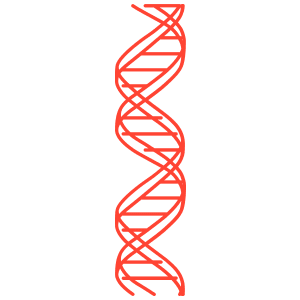
Prothrombin Gene Mutation is an inherited condition
We inherited one copy of each gene from each of our parents. One (or both) of your parents will have passed the Prothrombin Gene Mutation on to you and you may pass the condition onto your children.
How common is the Prothrombin Gene Mutation?
in 50 people
The Prothrombin Gene Mutation is relatively common – it occurs in about 1 in every 50 people in Australia. This mutation is more common than many other gene changes (mutations). Because the mutation is very common, it has been suggested that there is some “benefit” in having the Prothrombin Gene Mutation.
What are the main problems with having the Prothrombin Gene Mutation?
The main problem with having the Prothrombin Gene Mutation is having an increased risk of developing blood clots.
- Blood clots can occur in blood vessels and can sometimes travel to different parts of the body including the lungs.
- Having the Prothrombin Gene Mutation increases your risk of having a blood clot.
- If you have one copy of the Prothrombin Gene Mutation (also called being a heterozygote for this gene), you are at around 3 times more at risk of developing a blood clot compared to someone your age who does not have this gene change
Am I going to get a blood clot because I have this mutation?
Most people with one copy of the Prothrombin Gene Mutation DO NOT develop blood clots.
- Blood clots usually only develop when there are other “risk factors” for blood clots.
- Blood clots develop when the circulation of the blood flow is reduced (e.g. after long flights, after surgery etc.) or in people with other serious medical conditions such as cancer or heart failure.
How does the use of the oral contraceptive pill affect the risk of developing a blood clot in women?
The use of the contraceptive pill can increase the risk of developing a blood clot.
- Women on the pill have around a 3 – 4 fold increased risk of getting a blood clot compared to other women who are not on the pill.
- If a woman also has one copy of the Prothrombin Gene Mutation, this risk increases to around 16 times the risk of having a clot on the pill.
These risks sound high, but clots are still relatively uncommon in the community.
Are there any benefits of having Prothrombin Gene Mutation?
Because individuals who have the Prothrombin Gene Mutation have blood that clots more easily, it has been suggested that this may be beneficial during times when bleeding occurs (e.g. during menstruation or after childbirth). This is only a theory and there have not been any studies to confirm this theory.
Treatment & Management
Is there any treatment for Prothrombin Gene Mutation?
No treatment to change genes is currently available. Most people who have the Prothrombin Gene Mutation do not require any treatment but need to be careful at times when the risk of getting a blood clot may be increased (e.g. after surgery, during long flights etc). [See information sheet on Blood Clots and Flights].
Sometimes people with the Prothrombin Gene Mutation may need to go on blood thinning medication (anticoagulation) to reduce the risk of developing blood clots. This will depend on lots of other factors including a past medical history of clots or a family history of blood clots.
Is there anything else I should do to protect my self against getting blood clots?
Genetic Diagnosis
Should my family be tested for the Prothrombin Gene Mutation?
Testing for the Prothrombin Gene Mutation is easily done – a simple blood test is all that is required.
Most people think testing is a good idea but you and your family should think carefully about testing for the Prothrombin Gene Mutation. There may be some change to health and life insurance policies. Clots in children are very uncommon so it is probably best to wait until children are older (usually in their late teens) and can decide if they want the testing performed.

in 50 people
people in Melbourne
population of Melbourne*
What does having HS mean?
There are three main common problems associated with having HS:
Diagnosis
Treatment & Management
What do I need to do now that I (or my child) has been diagnosed with Hereditary Spherocytosis?
Most patients with HS do not need to do much about their condition at all. The bone marrow has the capacity to increase the number of red cells it produces many fold and is able to keep up replacing the fragile cells.
A few things may be helpful:
Resources used to produce this information sheet.
- Investigation and management of heritable thrombophilia. British Journal of Haematology 114 (3), 512–528. 2001.
Further Questions?
The information presented in this fact sheet is intended as a general guide only.
Patients should seek further advice and information about Prothrombin Gene Mutation and their individual condition from their treating haematologist or doctor.